
How to Clean & Seal Porcelain / Sintered Surfaces
Short answer, and it is good news: porcelain and sintered stone never need sealing. Surfaces like Dekton and Neolith are non-porous, so there is nothing for a sealer to soak into and no re-sealing schedule to keep — if anyone tells you to seal your porcelain counter, that is a red flag. Cleaning is just as simple: mild soap and warm water, or a pH-neutral cleaner, on a soft cloth, every day. Wipe spills as they happen, dry the surface to avoid water spots, and skip abrasive powders, metal pads, and waxy polishes. For a stubborn mark, a slightly stronger cleaner or a gentle baking-soda paste is safe because the surface is so hard and non-porous. That is genuinely the whole routine — indoors or out. Here is the full explainer, from a shop that installs these surfaces every week.
By Leo Chuahy · Prime Surfaces — certified installer of Neolith, Dekton, Porcelanosa & Daltile Panoramic
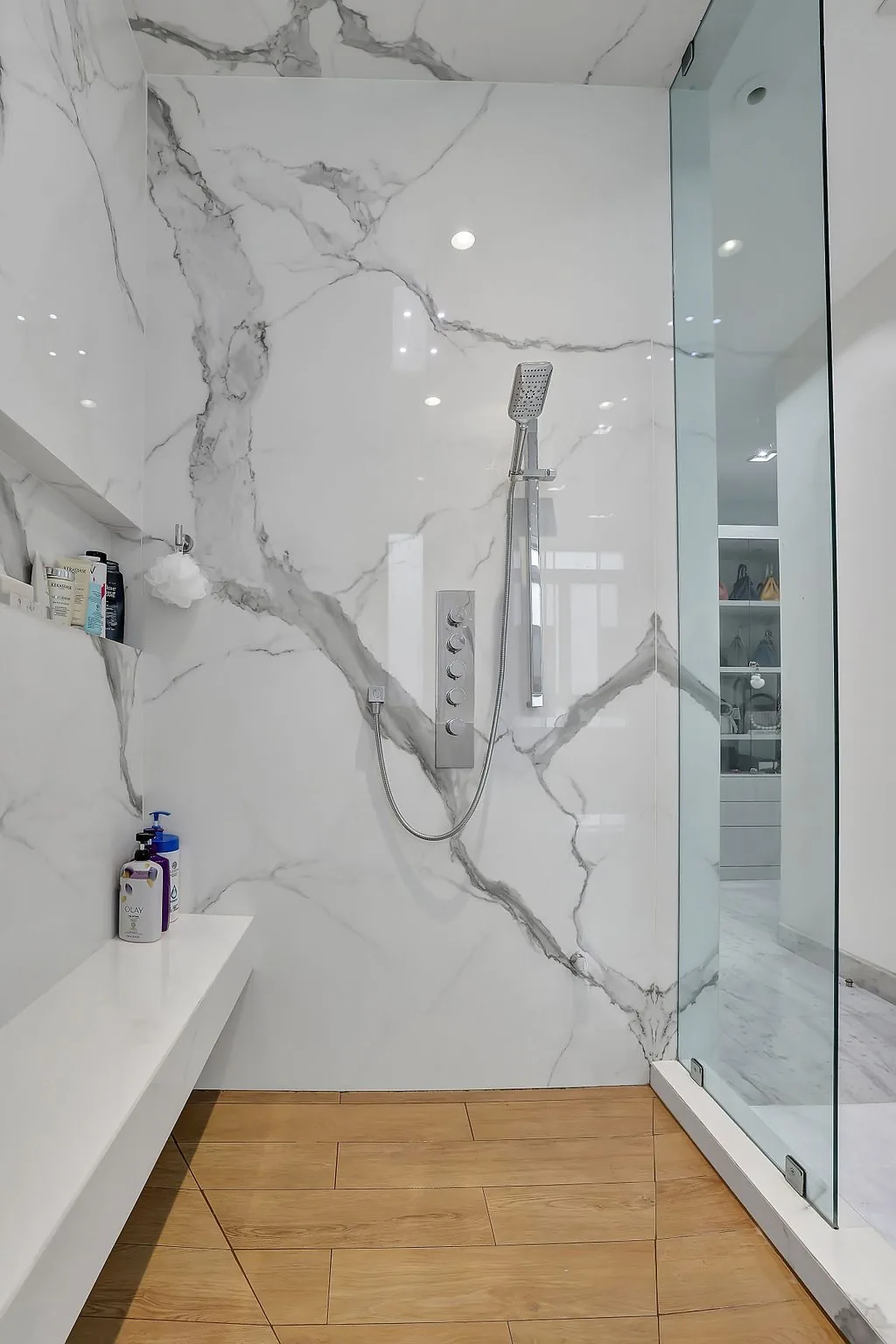
How do you clean a porcelain or sintered stone countertop?
Day to day, keep it simple: warm water with a little mild dish soap, or a cleaner labeled pH-neutral, on a soft cloth or a non-scratch sponge. Wipe as you go, and dry the surface afterward to prevent water spots — especially on darker or polished slabs where minerals in the water can leave a faint film. Because porcelain and sintered stone are non-porous, almost everything sits on the surface and lifts off easily. You do not need special “stone” sprays, and you never need a sealer. That is the entire everyday routine.
Do porcelain and sintered stone need to be sealed?
No — and this is the part people most often get wrong, usually because they are used to natural stone. Sintered stone and large-format porcelain are fired into an ultra-dense, non-porous slab, so liquids cannot soak in and a sealer has nothing to penetrate. There is no sealing at installation and no periodic re-sealing, ever. If a fabricator or salesperson tells you to seal a Dekton or Neolith counter, that is a sign to ask questions. Compare that to natural stone, which does need periodic sealing — our guide on which stones need sealing lays out the difference.
What's the best everyday cleaner for Dekton and Neolith?
A pH-neutral cleaner or plain mild dish soap and water is the manufacturers' own recommendation, and it is all the surface needs. Use a soft microfiber cloth for a streak-free finish. You can reach for a stronger general-purpose surface cleaner occasionally without harming the material, but you will rarely need to, and it is best not to make harsh chemicals a daily habit. What you should skip entirely are waxes, oils, and “polish” products — they do nothing for a non-porous surface except leave a film that attracts smudges.
How do you remove tough marks, grease, or limescale?
Work from gentle to stronger. For grease, let warm soapy water soak briefly, then wipe with a degreasing dish soap or pH-neutral cleaner. For dried-on food, soften it first and lift it with a plastic scraper or the soft side of a non-scratch sponge. For a stubborn spot, a paste of baking soda and water worked gently and then rinsed is safe on porcelain because the surface is so hard and non-porous. For water spots and limescale around the sink and faucet — mineral deposits from hard water, not damage — a limescale remover suitable for porcelain, or a well-diluted mild acidic cleaner used briefly and rinsed thoroughly, dissolves the buildup. Always rinse and dry when you're done.
What should you never use on porcelain surfaces?
Porcelain is tough, but a few habits are still worth avoiding. Skip abrasive scouring powders and metal pads, which can scuff certain finishes over time. Avoid making harsh acids and bleach a routine cleaner; occasional diluted use is fine, but pH-neutral is the everyday standard the manufacturers recommend. Don't apply waxes, sealers, or oily polishes — they only leave residue on a surface that doesn't need them. And use a cutting board: not because porcelain scratches easily, but because a surface this hard will dull your knives.
How do you clean a matte vs. polished finish?
The care is the same, but matte and honed finishes ask for a little more thoroughness. Because there's no gloss to hide them, matte surfaces show fingerprints, grease films, and dried water spots more readily — so wipe the whole surface rather than spot-cleaning, and dry it to avoid streaks. A hazy, filmy look on a matte finish is almost always grease or product residue, cleared with a gentle degreaser or a cleaner made for matte surfaces. Polished finishes hide day-to-day marks better but show water spots, so drying after cleaning keeps them crisp. On either finish, waxy polishes are the enemy — they build up and make the surface look patchy.
How do you care for porcelain outdoors?
Exactly the same simple way — which is why porcelain is our top pick for outdoor kitchens and the material we install on building façades. It's UV-stable and freeze-thaw stable, so it won't fade, stain, or crack in sun and weather, and it still never needs sealing. Wipe it down with mild soap and water or a pH-neutral cleaner to clear grease, pollen, and grill splatter, and rinse it off now and then. Hard-water spots from a hose come off just like indoors. There's no seasonal sealing and no special winterizing — just routine cleaning. If you're weighing materials for a patio, our guide to the best outdoor kitchen countertop compares porcelain, granite, and quartz.
Can porcelain chip or scratch — and how do you prevent it?
Porcelain and sintered stone are extremely hard and scratch-resistant, so everyday use won't mark them. The honest caveat is edges and corners: because the slabs are thin and rigid, a sharp, concentrated impact on an unsupported edge can chip. This is much more about fabrication and installation than daily care — proper substrate support, mitered edges, and a smart seam plan prevent it, which is why the material should be installed by a certified specialist. In use, just avoid banging heavy pots against an exposed edge, and use a cutting board. Handled well, a porcelain surface stays flawless for decades with almost no maintenance.
FAQ
Do you need to seal porcelain or sintered stone countertops?
No. Porcelain and sintered stone, including Dekton and Neolith, are non-porous, so they never need sealing and will not absorb stains under normal use. There is no sealer that would even penetrate the surface, and there is no re-sealing schedule to keep up with, unlike natural stone. If a salesperson or installer tells you to seal a porcelain or sintered stone counter, treat it as a red flag. This is one of the material's biggest advantages: it is among the lowest-maintenance surfaces you can install, indoors or out. All it asks for is routine cleaning.
What is the best cleaner for a Dekton or Neolith countertop?
For everyday cleaning, warm water with a little mild dish soap, or a pH-neutral cleaner, on a soft cloth or non-scratch sponge is all you need. Wipe spills as they happen and dry the surface to avoid water spots, especially on darker or polished slabs. Because porcelain and sintered stone are non-porous, most spills sit on top and lift easily. For a deeper clean you can use a stronger household surface cleaner, but you rarely need to. Avoid abrasive powders and pads, and skip waxes or polishes, which only leave a film on a surface that does not need them.
How do you remove grease or dried-on food from porcelain?
Start gentle. Let warm, soapy water soak on the spot for a few minutes to soften it rather than scrubbing hard right away. For grease, a degreasing dish soap or a pH-neutral stone-safe cleaner usually lifts it. Dried-on food can be loosened with a plastic scraper or the soft side of a non-scratch sponge. For stubborn marks, a slightly stronger cleaner or a paste of baking soda and water worked gently, then rinsed, is safe on porcelain because the surface is so hard and non-porous. Rinse and dry afterward. Avoid metal scouring pads and harsh abrasive powders.
Can you use vinegar or bleach on porcelain countertops?
Porcelain and sintered stone are chemically very stable and far more tolerant than natural stone, so occasional use of a diluted stronger cleaner will not etch them the way acids etch marble. That said, the manufacturers' own guidance is to stick with pH-neutral cleaners for routine care, and to avoid harsh acids, bleach, and abrasive products as a habit, since over time and on certain finishes they can dull sheen or leave residue. The simple rule: mild soap and water or a pH-neutral cleaner every day, and reserve anything stronger for a rare tough spot, well diluted and rinsed off.
How do you clean a matte (honed) porcelain finish?
Matte and honed porcelain finishes are gorgeous but show fingerprints, grease films, and dried water spots a little more than polished ones because there is no gloss to hide them. Clean them the same way, with a pH-neutral cleaner and a soft cloth, but be a bit more thorough: wipe the whole surface rather than spot-cleaning, and dry it to prevent streaks. For a matte finish that looks hazy from a grease film, a stone-safe cleaner made for matte surfaces, or a gentle degreaser, restores the even look. Avoid oily or waxy polishes, which build up and make a matte finish look patchy.
How do you get water spots or limescale off porcelain?
Water spots and limescale are mineral deposits left by hard water, common around sinks and faucets, and they are not damage to the surface. Because porcelain is non-porous, they sit on top and come off. For light spots, warm soapy water and drying usually does it. For built-up limescale, a limescale remover suitable for porcelain or ceramic, or a well-diluted mild acidic cleaner used briefly and then rinsed thoroughly, dissolves the mineral buildup without harming the slab. Prevention is easiest: wipe and dry the area around the sink and faucet, and the spots will not form in the first place.
Can you put a hot pan on porcelain?
Yes. Porcelain and sintered stone are fired at over 2,000 degrees Fahrenheit, so a hot pan straight off the burner will not scorch, discolor, or mark the surface, one of the material's clearest advantages over engineered quartz, which can be damaged by direct heat. We still recommend using a trivet as a habit, mainly to protect against thermal shock over time and to keep the surface pristine, but a momentary hot pan will not hurt porcelain. For cutting, still use a board, not because the surface will scratch easily but because a hard porcelain surface will dull your knives.
How do you care for an outdoor porcelain surface?
The same simple way as indoors, which is exactly why porcelain is so well suited to outdoor kitchens. It is non-porous, UV-stable, and freeze-thaw stable, so it will not fade, stain, or crack in sun and weather, and it never needs sealing. Wipe it down with mild soap and water or a pH-neutral cleaner to remove grease, pollen, and grill splatter, and rinse it off periodically. Hard-water spots from a hose or sprinkler come off the same way as indoors. There is no seasonal sealing or special winterizing routine, just routine cleaning.
Thinking about a porcelain or sintered stone surface?
Counters, a full-height wall, or an outdoor kitchen — tell us what you have in mind and we'll show you the right Dekton, Neolith, or Porcelanosa slabs and handle the install.